Search for:

Best Rat Repellent Solutions for Long-Term Protection


Effective long‑term rat protection combines prevention, targeted deterrents, and ongoing monitoring. It prioritizes sealing entry points with metal and concrete, securing food and waste in rodent‑proof containers, and trimming vegetation to remove harborage. rat repellent sound. Non‑toxic measures like wire mesh, door sweeps, ultrasonic and motion‑activated devices, scent deterrents, and monitored live traps reduce reliance on poisons. Scheduled inspections, logs, and prompt repairs sustain defenses. For persistent problems, integrate professional exclusion services alongside these tactics for lasting control and further guidance.
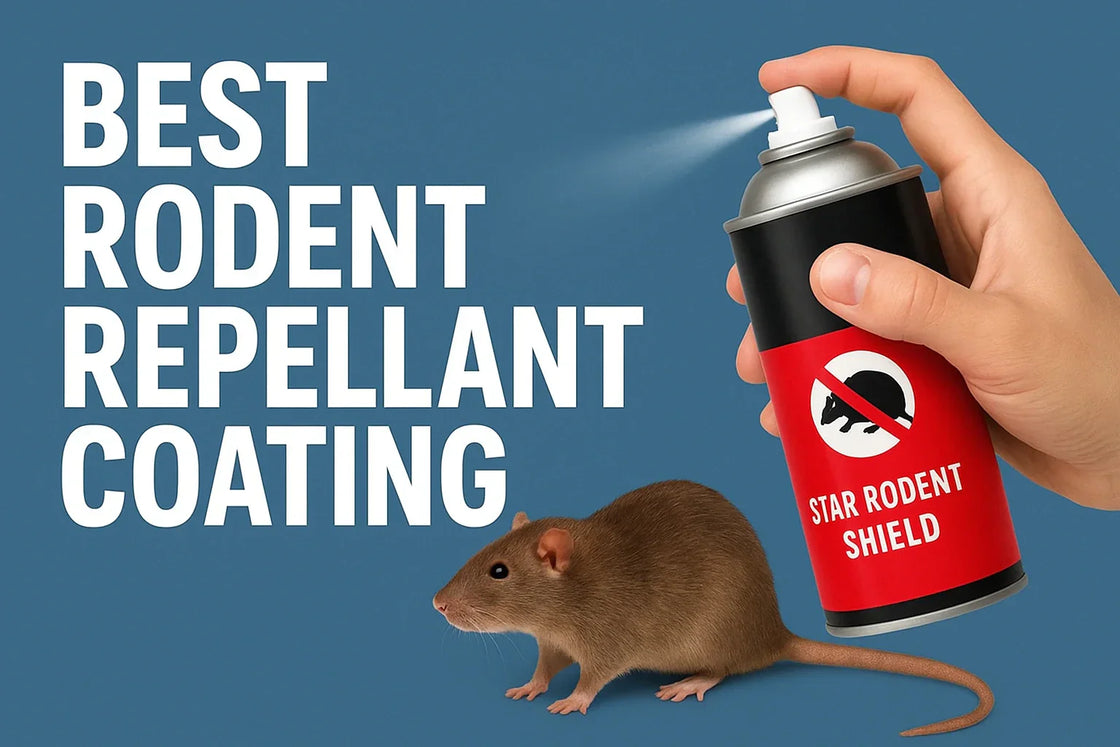
Best Rodent Repellant Coating | Long-Lasting Protection for Cars & Homes –  StarShield- Smart Paints & Coatings

Choose a Long‑Term Rat‑Control Strategy (Risk, Budget, Property Type)

Selecting a long-term rat-control strategy requires balancing infestation risk, available budget https://igreenasia.com/, and property type to guarantee measures are both effective and sustainable. The planner assesses current rodent pressure, vulnerabilities, and occupancy patterns to prioritize interventions that preserve autonomy and minimize recurring costs.

Choices range from monitored trapping programs and targeted baiting to permissive habitat modifications that reduce attractants without extensive structural work. Rural, commercial, and urban settings demand different mixes of active and passive tactics; higher-risk sites justify more intensive monitoring and professional involvement.

Budget constraints steer toward scalable systems that allow incremental upgrades. The objective remains clear: enable property stewards to reclaim control, maintain options, and avoid dependence on one-off fixes that erode long-term freedom.

Rodent‑Proof Your Building: Sealing, Landscaping, and Storage Fixes

How can a building be made inhospitable to rats with practical, durable changes? A thorough audit identifies entry points: gaps around pipes, vents, doors, and foundations. Seal with metal mesh, concrete, or steel wool; replace deteriorated door sweeps and weatherstripping.

Elevate and secure outdoor storage; use sealed, rodent‑proof containers for feed, trash, and recyclables. Adjust landscaping to deny cover: trim shrubs away from walls, keep grass short, remove debris piles and stacked firewood near the structure.

Repair roof and soffit damage; install one‑way exclusion devices where active infestations exist. Maintain consistent sanitation and scheduled inspections to preserve defenses.

These measures empower property owners to reduce dependence on reactive tactics and sustain long‑term, liberating control over rodent access.

Top Non‑Toxic Rat Repellents for Homes and Businesses

Effective non‑toxic rat repellents combine proven physical barriers, natural deterrents, and behavior‑modifying technologies to reduce rodent presence without poisons. Solid-proofing measures—wire mesh, door sweeps, and durable seals—deny access reliably.

Ultrasonic devices disrupt rodent comfort zones when used strategically, while motion‑activated lights and sprinklers exploit avoidance instincts.

Natural repellents, such as peppermint oil, naphthalene alternatives, and predator scents, can discourage nesting when refreshed regularly.

Traps emphasizing live capture preserve choice and allow relocation where legal and humane.

Proper bait stations using nonlethal attractants support diversion tactics.

Integrated plans prioritize minimal chemical reliance, rapid exclusion, and tenant autonomy, enabling occupants and managers to reclaim spaces safely.

Selection should reflect site size, occupancy rights, and long‑term freedom of action.

Buy Rat Guard – Ultrasonic Rat Repellent System Powerful Rat Control –  Careway Technologies

Monitoring & Maintenance: Inspection Schedules, Logs, and Warning Signs

After installing non‑toxic deterrents and exclusion measures, a structured monitoring and maintenance program preserves their effectiveness and detects emerging issues early. Regular inspections—weekly outdoors, monthly indoors, and after storms or renovations—identify breaches, bait displacement, or new scent trails.

Simple logs record date, location, findings, corrective actions, and signatures to enable accountability and trend tracking. Warning signs to note include: fresh droppings, gnaw marks, nesting materials, grease lines, and new odors.

Prompt minor repairs—sealing gaps, repositioning deterrents, replacing worn barriers—maintain system integrity without surrendering autonomy. Periodic review of logs reveals patterns that inform schedule adjustments or intensified measures.

Clear, consistent monitoring empowers property stewards to maintain long‑term protection while minimizing dependence on urgent interventions.

When to Call Pros: Combining Repellents With Professional Exclusion

When homeowners observe persistent signs of activity despite diligent use of non‑toxic repellents and routine maintenance, it is appropriate to consult pest‑management professionals to evaluate whether structural exclusion or targeted interventions are needed.

Professionals assess entry points, recommend durable sealing materials, and apply exclusion techniques that align with occupants’ preference for humane, nonchemical strategies.

Combining homeowner-applied repellents with professional exclusion preserves autonomy: residents maintain simple deterrents while experts address vulnerabilities beyond DIY reach.

Technicians can also advise on legal, safe baiting or trapping if necessary, minimizing unintended impacts.

Clear contracts and inspection follow-ups keep control in the homeowner’s hands, ensuring long-term protection without sacrificing freedom to choose methods consistent with personal values and property stewardship.

Conclusion

Long‑term rat control succeeds when strategies align with risk, budget, and property type, blending prevention, non‑toxic repellents, and professional exclusion as needed. Effective rodent‑proofing — sealing entries, adjusting landscaping, securing storage — reduces attraction and access. Regular inspections, maintenance logs, and attention to early warning signs sustain protection. For persistent or high‑risk infestations, professionals can integrate repellents with exclusion and sanitation measures, providing durable, humane, and legally compliant results.…


Prevent Contamination With Lab Alliance Water Purification Solutions

You know how crucial pure water is for reliable lab results and equipment longevity. Contaminants like dissolved solids, organic compounds, and microorganisms can compromise your experiments and cause costly damage. Lab Alliance offers tailored purification solutions that combine reverse osmosis UP water, activated carbon, and UV sterilization to tackle these challenges head-on. But what exactly makes their approach so effective, and how can you ensure the right fit for your lab’s needs?

How To Keep A Lab Water Bath Clean? A Proactive Guide To Prevent  Contamination & Scale - Kintek Solution

Why Pure Water Is Key to Keeping Your Lab Contamination-Free?

Because even tiny impurities can ruin experiments, using pure water is essential to keep your lab contamination-free.

When you work with water that holds contaminants https://laballiance.com.my/, you risk introducing unwanted variables that compromise your results.

Pure water ensures your tests stay reliable and reproducible, giving you the freedom to trust your data without second-guessing.

It also protects sensitive equipment from damage caused mineral deposits or microbial growth.

By prioritizing purity, you reduce the chances of cross-contamination and avoid costly delays or repeated trials.

Choosing pure water means you control your lab environment confidently, maintaining the integrity of your work.

Staying contamination-free lets you focus on innovation and discovery, not on fixing problems caused something as simple as impure water.

How Do Lab Alliance Systems Effectively Remove Contaminants?

Lab Alliance systems tackle contaminants combining advanced filtration technologies designed to target different impurities at every stage.

You benefit from a multi-step process that includes reverse osmosis, activated carbon filtration, and UV sterilization, each eliminating specific contaminants like organic compounds, chlorine, and microorganisms. This layered approach ensures that you get consistently pure water without worrying about hidden impurities.

Plus, Lab Alliance systems adapt to your lab’s needs, giving you the freedom to customize filtration levels based on your specific applications. By removing particles, bacteria, and chemical residues efficiently, these systems keep your water quality reliable and stable.

This way, you can focus on your work without second-guessing the purity of the water you use.

How Lab Alliance Purification Protects Sensitive Lab Equipment

Protecting your sensitive lab equipment starts with using purified water that prevents mineral buildup and corrosion. Lab Alliance purification systems deliver water free from impurities that can damage delicate instruments, ensuring your equipment runs smoothly and lasts longer.

You won’t have to worry about scale deposits clogging tubing or corrosion eating away at metal parts. This protection means fewer repairs, less downtime, and more freedom to focus on your work.

With Lab Alliance, you can confidently maintain your devices without sacrificing performance or reliability. Their technology safeguards your investment providing consistently clean water that keeps your lab equipment in optimal condition, so you stay in control and avoid costly interruptions.

Achieving Maximum Purity With Lab Alliance Ultrapure Water Systems –  Memories At Tradition

Ensuring Consistent Lab Water Quality With Lab Alliance

Maintaining your sensitive equipment means more than just preventing damage—it requires consistently high-quality water every time you run your experiments. With Lab Alliance, you gain the freedom to focus on your work, knowing your water won’t let you down.

Here’s how Lab Alliance ensures consistent water quality:

  1. Advanced Filtration: Removes contaminants that could alter your results or harm your instruments.
  2. Real-Time Monitoring: Tracks water purity continuously, alerting you if quality dips below standards.
  3. Reliable Maintenance Support: Keeps your purification system running smoothly without interruptions.

How to Choose the Right Lab Alliance Water Purification Solution

When selecting a water purification solution, you need to consider your lab’s specific requirements and the types of experiments you run. Think about the purity level you need—whether it’s Type I ultrapure water or less stringent grades. Evaluate your daily water volume to ensure the system can keep up without downtime. Consider space constraints and ease of maintenance, so your workflow stays uninterrupted.

Lab Alliance offers flexible options, letting you tailor solutions to your freedom in lab processes. Don’t forget to check compatibility with your existing equipment and any regulatory standards you must meet. By focusing on these factors, you can confidently pick a Lab Alliance system that fits your unique lab environment, empowering you to work freely without worrying about contamination risks.

Conclusion

You can’t afford contamination or equipment damage in your lab, so choosing Lab Alliance water purification solutions makes all the difference. Their advanced combination of reverse osmosis, activated carbon, and UV sterilization ensures your water stays pure, protecting your experiments and instruments. With tailored systems and consistent monitoring, you’ll maintain reliable results and reduce downtime. Trust Lab Alliance to keep your lab contamination-free and your research on track.…

Safe and Family-Friendly Ways to Repel Lizards at Home

If you want to keep lizards away without harming your family or pets, you need safe, natural methods that really work. By understanding why lizards are drawn to your home and using simple lizard repellent, non-toxic solutions like herbs and essential oils, you can create an environment they avoid. Plus, taking practical steps to reduce their shelter and food sources makes a big difference. Let’s explore how to make your home less inviting to these reptiles effectively.

Troubled By Lizards? Try These Home Remedies And Shoo Away The Reptiles

Natural and Easy Ways to Repel Lizards at Home

Keep lizards at bay using simple, natural methods that are safe for your family and pets. Start maintaining cleanliness—lizards avoid areas without food crumbs or insects. Seal cracks and gaps in walls and windows to block their entry.

Use natural repellents like neem oil, garlic, or onion sprays around your home; these scents deter lizards effectively without harsh chemicals https://igreenasia.com/. Place egg shells or coffee powder near doorways and windows; lizards dislike these textures and smells.

You can also set up aromatic herbs like mint or basil, which act as natural barriers. Regularly remove clutter and stagnant water, reducing hiding spots and breeding grounds for insects that attract lizards. These straightforward steps give you control over your space while keeping it safe and chemical-free.

Why Lizards Come Near Homes and How to Spot Them

Lizards often show up around homes because they’re drawn to easy sources of food and shelter. They hunt insects attracted your lights, and they find hiding spots in cracks, piles of wood, or dense foliage.

To keep an eye out, look for small, quick movements near walls, windows, or under furniture. You might spot their distinctive scaly skin or see their long tails flicking as they move.

Pay attention to tiny footprints on dusty surfaces or shed skin in corners. By learning where lizards prefer to hang out, you can better anticipate their presence and take steps to manage them effectively.

Recognizing their habits lets you maintain control without feeling trapped unwanted visitors.

Make Your Home Unwelcoming to Lizards

Create an environment that discourages lizards from settling in eliminating their food sources and hiding spots. Keep your home clean and free of insects since lizards are attracted to easy meals.

Seal cracks and gaps around doors, windows, and walls to block their entry points. Remove clutter like piles of clothes, shoes, or boxes where lizards can hide and feel safe.

Use tight-fitting screens on vents and windows to prevent their access. Ensure that your home is well-lit at night, as lizards prefer dark, undisturbed areas.

How to get rid of lizards? | Home remedies for getting rid of lizards

Tips to Keep Your Yard and Garden Lizard-Free

Maintain a yard and garden that discourages lizards limiting their access to food, water, and shelter. By doing this, you create an environment they won’t want to linger in.

Start removing clutter and dense foliage where lizards hide. Keep your grass trimmed and avoid overwatering, as damp areas attract insects, which feed lizards. Secure compost bins tightly and pick up fallen fruits regularly.

Consider these practical steps:

  • Clear piles of wood, stones, or debris
  • Trim shrubs and remove dense ground cover
  • Fix leaking faucets and eliminate standing water
  • Store pet food indoors or in sealed containers
  • Use tight-fitting screens on windows and vents

These measures let you keep your outdoor space open and welcoming—for you, not lizards.

Natural Scents and Herbs That Repel Lizards

Often overlooked, natural scents and herbs can effectively deter lizards from your home without harsh chemicals.

You can place sachets or pots of strong-smelling herbs like mint, basil, and lavender near entry points or windows. These scents disrupt lizards’ sensitive olfactory senses, making your space less inviting.

Garlic and onion peels also work well; their pungent aroma keeps lizards at bay.

Additionally, you might crush dry pepper flakes or use essential oils such as eucalyptus or citronella to create a barrier lizards avoid. Regularly refreshing these natural repellents ensures lasting protection.

Conclusion

You can effectively keep lizards away using natural repellents like neem oil, garlic sprays, or fresh herbs such as mint and basil near entry points. Stay proactive sealing cracks, maintaining cleanliness, and reducing clutter inside your home. Don’t forget to manage your yard trimming foliage and removing debris to limit hiding spots. These safe, family-friendly methods help create an unwelcoming environment for lizards without harmful chemicals, protecting your home and loved ones.…

Wound Care Ipoh: What Patients Should Know Before Visiting a Clinic


Choosing the right wound care Ipoh clinic helps patients receive proper assessment, treatment, and follow-up care. Understanding your wound condition before visiting can make the consultation smoother and support better healing outcomes with professional guidance. 


Understanding Your Needs

Before visiting a wound care Ipoh clinic, it’s important to understand your condition. Not all wounds are the same, and identifying the type of wound helps ensure you receive the right treatment.

Common types include:

  • Minor cuts and abrasions
  • Burn injuries
  • Surgical wounds
  • Chronic wounds such as diabetic ulcers

Knowing your situation allows a wound care clinic near me to assess and treat your condition more effectively from the start.


Choosing the Right Clinic

Selecting the right clinic goes beyond location. A reliable wound care center near me should have trained professionals with specialised knowledge, high hygiene and sterilisation standards, and structured treatment processes. 

Choosing a clinic with proper expertise ensures that your wound is treated correctly, helping to reduce the risk of complications and improve healing outcomes. 


Treatment Expectations

Understanding what to expect can make your visit smoother. A professional wound care clinic near me typically begins with a thorough assessment before treatment, followed a structured care plan tailored to your condition. 

The clinic may use appropriate dressings and treatment techniques, along with ongoing monitoring and adjustments to support consistent care and long-term recovery rather than just immediate results. 


Convenience Matters

Convenience plays a key role, especially for patients requiring multiple visits. When selecting a wound care Ipoh clinic, consider:

  • Location and ease of access
  • Availability of parking
  • Efficient appointment scheduling


Why Early and Proper Care Is Important

Delaying treatment or choosing the wrong clinic can lead to slower healing, an increased risk of infection, and higher overall treatment costs. 

Visiting a reliable wound care center near me early ensures that the wound is managed correctly from the beginning, helping to improve recovery outcomes and prevent further complications. 


Local Recommendation in Ipoh

For those in Perak, Mediwave Wound Care Centre is a trusted option when searching for dependable wound care Ipoh services.

The clinic is known for its structured approach, professional standards, and comprehensive treatment options. It handles a wide range of wound types, making it suitable for both minor and complex cases.

Contact & Location Details:

  • Name: Mediwave Wound Care Centre
  • Address: 7, Jalan Jelapang 5, Jelapang Square, 30020 Ipoh, Perak
  • Phone: 010-9477004
  • Opening Hours: Monday to Saturday 9am–5pm (Closed on Sunday)
  • Website: https://mediwavewoundcare.com/
  • Wound Care Services:
    • Accident Injury Treatment
    • Surgical Wound Treatment
    • Diabetic Wound Treatment
    • Chronic Ulcer Treatment
    • Burn Injury Treatment


Final Thoughts

Being prepared before visiting a clinic can make a big difference. Choosing the right wound care clinic near me ensures proper treatment, better comfort, and faster healing. 

By focusing on expertise, hygiene, and convenience, patients can achieve more effective and reliable recovery outcomes.

 …

What Beginners Learn First in a Dog Grooming Class

Beginners in dog grooming classes first learn to understand canine behavior and proper handling to guarantee safety and comfort. They study how to read dogs’ body language and apply gentle restraint techniques that reduce stress. Identifying different coat types follows, along with the introduction of essential grooming tools like brushes and clippers. Safety practices are emphasized to prevent injuries dog grooming class. Basic bathing and brushing methods are also covered, laying a foundation for more advanced grooming skills.

Beginner Dog grooming Courses & Training in Swindon | Reed.co.uk

Understanding Canine Behavior and Handling Techniques

Why do dogs react differently during grooming sessions? Each dog’s response stems from unique past experiences, temperament, and comfort levels with handling.

Understanding canine behavior is crucial for groomers seeking a calm, cooperative environment. Observing body language—such as tail position, ear movement, and eye contact—helps identify stress or relaxation.

Proper handling techniques guarantee safety and respect, allowing dogs freedom within boundaries. Gentle restraint, slow movements, and positive reinforcement build trust Pet Universe Cosmos, reducing fear and resistance.

Recognizing signs of discomfort early enables timely adjustments, preventing escalation. This knowledge empowers groomers to work harmoniously with dogs, promoting a sense of freedom rather than confinement.

Mastery of these principles forms the foundation for successful grooming, where both handler and dog experience mutual respect and ease throughout the process.

Identifying Different Dog Coat Types

Coat types vary widely among dog breeds, each presenting unique grooming needs and challenges.

Recognizing these coat variations allows groomers to adapt techniques effectively, ensuring comfort and health.

Beginners first learn to distinguish the following primary coat types:

  • Double Coat: Featuring a dense undercoat and a coarser topcoat, common in breeds like Huskies. Requires thorough brushing to prevent matting.
  • Single Coat: Lacking an undercoat, this coat is often shorter and less dense, seen in breeds such as Greyhounds. Needs less frequent grooming but benefits from regular maintenance.
  • Curly or Wavy Coat: Characterized tight curls or waves, typical in Poodles and Bichon Frises. Demands consistent attention to avoid tangles.

Understanding these distinctions grants groomers the freedom to tailor care to each dog’s natural coat characteristics.

Basic Grooming Tools and Their Uses

Recognizing the various coat types is only the first step in effective dog grooming; selecting the appropriate tools is equally important.

Essential tools include slicker brushes, used to remove mats and loose hair from dense or curly coats, and pin brushes, ideal for longer, flowing fur. Combs help detangle and smooth the coat, especially around sensitive areas like the face and paws.

Clippers and scissors are necessary for trimming hair to desired lengths, while nail clippers maintain paw health. Shedding blades and deshedding tools reduce loose undercoat in breeds prone to heavy shedding.

Each tool serves a distinct purpose, enabling groomers to tailor their approach to the dog’s coat and needs. Mastery of these tools provides freedom to groom efficiently and comfortably.

How To Become A Dog Groomer: A Comprehensive Guide

Safety Practices for Groomers and Dogs

Although grooming can be a routine task, maintaining strict safety practices is essential to protect both the groomer and the dog.

Beginners learn that awareness and precaution create a safe, stress-free environment. Proper restraint techniques prevent sudden movements without causing discomfort. Clean, sharp tools reduce injury risks and enhance efficiency. Additionally, recognizing signs of distress in dogs helps avoid accidents.

Key safety practices include:

  • Using non-slip mats to prevent slipping for both groomer and dog.
  • Wearing protective gear like gloves and aprons to minimize exposure to scratches and chemicals.
  • Ensuring tools are sanitized and well-maintained to prevent infections or malfunctions.

These foundational safety habits empower groomers to work confidently while respecting the dog’s wellbeing and freedom of movement.

Techniques for Bathing and Brushing Dogs

When preparing a dog for grooming, effective bathing and brushing techniques are essential to maintain the animal’s health and appearance.

Bathing involves using lukewarm water and a dog-specific shampoo to avoid irritation. The groomer should work gently, ensuring thorough rinsing to remove all soap residues.

Brushing varies coat type; long-haired dogs require detangling brushes, while short-haired breeds benefit from firm bristle brushes. Consistent brushing prevents mats, distributes natural oils, and reduces shedding.

During these processes, maintaining calm and control allows the dog freedom to relax without feeling restrained.

Mastering these techniques empowers groomers to enhance each dog’s comfort and cleanliness, fostering a grooming experience that respects the animal’s independence and well-being.

Conclusion

Beginners in dog grooming classes first develop a foundational understanding of canine behavior and handling techniques, essential for safe and effective grooming. They learn to identify various dog coat types to tailor their approach accordingly. Instruction on basic grooming tools and their proper use equips them with necessary skills. Emphasis on safety practices guarantees well-being for both groomers and dogs. Finally, mastering bathing and brushing techniques completes the essential introductory knowledge for novice groomers.…