


Architectural Styles and Construction Materials
The interplay between architectural styles and construction materials is a nuanced and intricate subject that transcends mere functionality. It delves into the very essence of how we perceive and interact with the structures that surround us compression testing machine. By exploring the historical evolution of architectural styles and the innovative use of materials, we uncover a rich tapestry of influences that have shaped our built environment over centuries. From the grandeur of classical orders to the minimalism of modernist design, each style reflects not only aesthetic preferences but also the technological advancements and cultural values of its time. The exploration of these interconnected elements offers a fascinating journey through the evolution of human creativity and ingenuity in the realm of architecture.

Historical Architectural Styles
How have historical architectural styles influenced the evolution of construction methods and design principles over time?
Historical architectural styles have played a significant role in shaping the way buildings are constructed and designed https://nl-test.com/news/universal-testing-machines. From the ancient civilizations of Egypt and Mesopotamia to the classical orders of Greece and Rome, each period in history has left its mark on the built environment.
The innovations and advancements made each architectural style have influenced construction methods introducing new techniques and materials. For example, the use of arches and vaults in Roman architecture revolutionized the way large spaces were supported, leading to the development of domes and other structural elements. Similarly, the Gothic style introduced innovations such as flying buttresses and ribbed vaults, allowing for taller and more intricate buildings.
In terms of design principles, historical architectural styles have influenced aesthetics, proportions, and ornamentation. The symmetry and balance of classical architecture, the intricate decorations of Baroque design, and the simplicity of modernism all reflect the values and beliefs of their respective time periods. Overall, the evolution of construction methods and design principles can be traced back to the rich history of architectural styles that have come before.
Traditional Building Materials
The selection and utilization of traditional building materials have been integral to the development and preservation of architectural heritage throughout history. Traditional building materials encompass a wide range of substances such as wood, stone, brick, and clay, each with unique properties that have shaped the built environment over centuries.
Wood, for example, is prized for its versatility and warmth, commonly used in timber framing and flooring. Stone, renowned for its durability and timeless aesthetic, has been employed in grand structures like cathedrals and castles. Brick, a staple in construction for its strength and affordability, can be found in historic buildings worldwide. Clay, when fired, transforms into terracotta tiles or bricks, adding character and charm to facades.
These materials not only reflect the cultural identity of regions but also provide insight into the technological advancements of their time. Understanding the significance of traditional building materials is essential in preserving architectural authenticity and promoting sustainable practices in the modern construction industry.
Modernist Architecture and Materials
Characterized a break from traditional ornamentation and a focus on functionality, Modernist architecture emerged in the early 20th century, revolutionizing design principles and construction methods. This architectural style prioritized simplicity, clean lines, and the use of modern materials such as concrete, steel, and glass. Architects like Le Corbusier, Ludwig Mies van der Rohe, and Walter Gropius were instrumental in shaping the Modernist movement, advocating for a new approach that reflected the industrial age.
Modernist buildings often featured open floor plans, large windows, and a lack of unnecessary decoration. The materials used in Modernist architecture were chosen for their efficiency, durability, and aesthetic appeal. Concrete, with its versatility and strength, became a staple in many Modernist structures, allowing architects to create bold, innovative designs.
The shift towards Modernist architecture marked a departure from the ornate styles of the past, embracing a more minimalist and functional approach. This movement paved the way for future architectural styles and continues to influence contemporary design.
Sustainable Construction Practices
Emerging as a response to the increasing environmental concerns and the need for resource conservation, sustainable construction practices have become a pivotal focus in the contemporary architectural and construction industries. Sustainable construction aims to reduce the environmental impact of buildings throughout their lifecycle, from planning and design to construction, operation, maintenance, renovation, and demolition. This approach involves using environmentally responsible and resource-efficient materials, incorporating energy-efficient design strategies, optimizing water usage, and reducing waste generation.
Historically, sustainable construction practices have evolved from the broader environmental movement that gained momentum in the late 20th century. Concepts such as green building standards, energy-efficient certifications, and sustainable development principles have shaped the way architects and builders approach construction projects today. The integration of renewable energy sources, passive design strategies, and environmentally friendly materials are now common practices in sustainable construction. As concerns about climate change and resource depletion continue to grow, the importance of sustainable construction practices is likely to increase, driving innovation and pushing the industry towards more environmentally conscious solutions.
Contemporary Architectural Trends
In response to the evolving landscape of sustainable construction practices, contemporary architectural trends reflect a shift towards innovative design approaches that prioritize functionality, aesthetics, and technological integration. Architects today are embracing the use of sustainable materials, such as recycled steel and reclaimed wood, to reduce environmental impact and promote energy efficiency. Additionally, there is a growing emphasis on creating spaces that foster well-being and connectivity with nature, leading to the incorporation of biophilic design elements like green roofs, living walls, and ample natural lighting.
Furthermore, contemporary architecture is characterized a focus on flexible and adaptable spaces that can easily accommodate changing needs and preferences. This trend is evident in the rise of open floor plans, multipurpose rooms, and modular furniture solutions. In terms of aesthetics, clean lines, minimalist design, and the use of contrasting materials are prevalent in contemporary architectural styles.
Moreover, the integration of smart technology, such as automated climate control systems and energy-efficient appliances, has become increasingly common in modern buildings. Overall, contemporary architectural trends are shaping the built environment to be more sustainable, functional, and visually appealing, reflecting the values and priorities of today’s society.
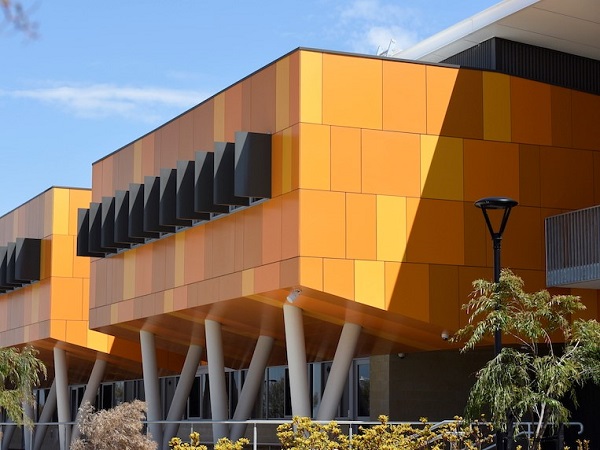
Industrial Style and Materials
The utilization of industrial style in architecture and construction involves a distinctive blend of rugged materials and utilitarian design elements that pay homage to the historical roots of industrialization. Inspired the factories and warehouses of the 19th and 20th centuries, industrial style embraces exposed brick walls, steel beams, concrete floors, and large windows. These elements not only provide a sense of rawness and authenticity but also celebrate the beauty of functionality.
One of the key aspects of industrial style is the emphasis on open spaces and minimalistic design. This style often incorporates high ceilings, open floor plans, and a lack of unnecessary ornamentation. The use of materials like weathered wood, reclaimed metal, and distressed finishes adds to the rustic charm of industrial architecture.
Industrial style has gained popularity in recent years for its unique aesthetic and its ability to transform spaces into modern, edgy environments. Whether it’s in residential lofts, trendy restaurants, or office buildings, industrial style continues to captivate designers and enthusiasts alike with its rugged yet chic appeal.
Cultural Influences on Architecture
Incorporating diverse cultural influences into architecture has been a fundamental aspect of shaping built environments throughout history. From the grandeur of ancient Egyptian temples to the intricate designs of Islamic mosques, cultural influences have left a lasting imprint on architectural styles worldwide. In Europe, the Gothic architecture of the Middle Ages reflected the spiritual and artistic values of the time, with soaring cathedrals and intricate stained glass windows. Similarly, the pagodas of East Asia symbolize a fusion of Buddhist and Taoist beliefs, featuring multiple tiers and curved roofs.
In Africa, traditional architecture often incorporates earthy materials like mud bricks and thatch roofs, blending harmoniously with the natural surroundings. In the Americas, indigenous cultures have inspired unique architectural forms such as adobe dwellings in the desert Southwest and longhouses in the Pacific Northwest. These diverse cultural influences continue to shape contemporary architecture, with architects drawing inspiration from around the globe to create buildings that reflect the rich tapestry of human creativity and expression.
Innovative Materials in Architecture
Architectural evolution has been significantly influenced the relentless quest for novel materials that not only push the boundaries of design but also enhance structural integrity and sustainability. Over the centuries, architects and engineers have continuously sought innovative materials to revolutionize the field of architecture. From the ancient Romans’ pioneering use of concrete to modern architects experimenting with carbon fiber and aerogels, the quest for new materials has been a driving force behind architectural progress.
In recent years, sustainable materials have gained popularity due to increased environmental awareness. Materials such as bamboo, recycled steel, and cross-laminated timber are being embraced for their eco-friendly properties, offering both strength and sustainability. Additionally, advancements in technology have led to the development of smart materials that can adapt to changing environmental conditions, enhancing buildings’ performance and energy efficiency.
Innovative materials not only offer creative opportunities for architects but also play a crucial role in shaping the future of sustainable and resilient architecture. As the exploration of new materials continues, the architectural landscape is poised for further transformation, blending cutting-edge technology with environmentally conscious design principles.
Conclusion
In conclusion, the evolution of architectural styles and construction materials has played a crucial role in shaping the built environment over time.
From traditional materials like wood and stone to innovative modern materials, the relationship between architecture and construction materials continues to influence design and engineering practices.
Understanding the historical context and cultural influences behind these choices provides valuable insights into the complexities of architectural design and construction methods.